SUA in Nitra Introduces Digital Advisory Platform for Precision Agriculture
09.07.2026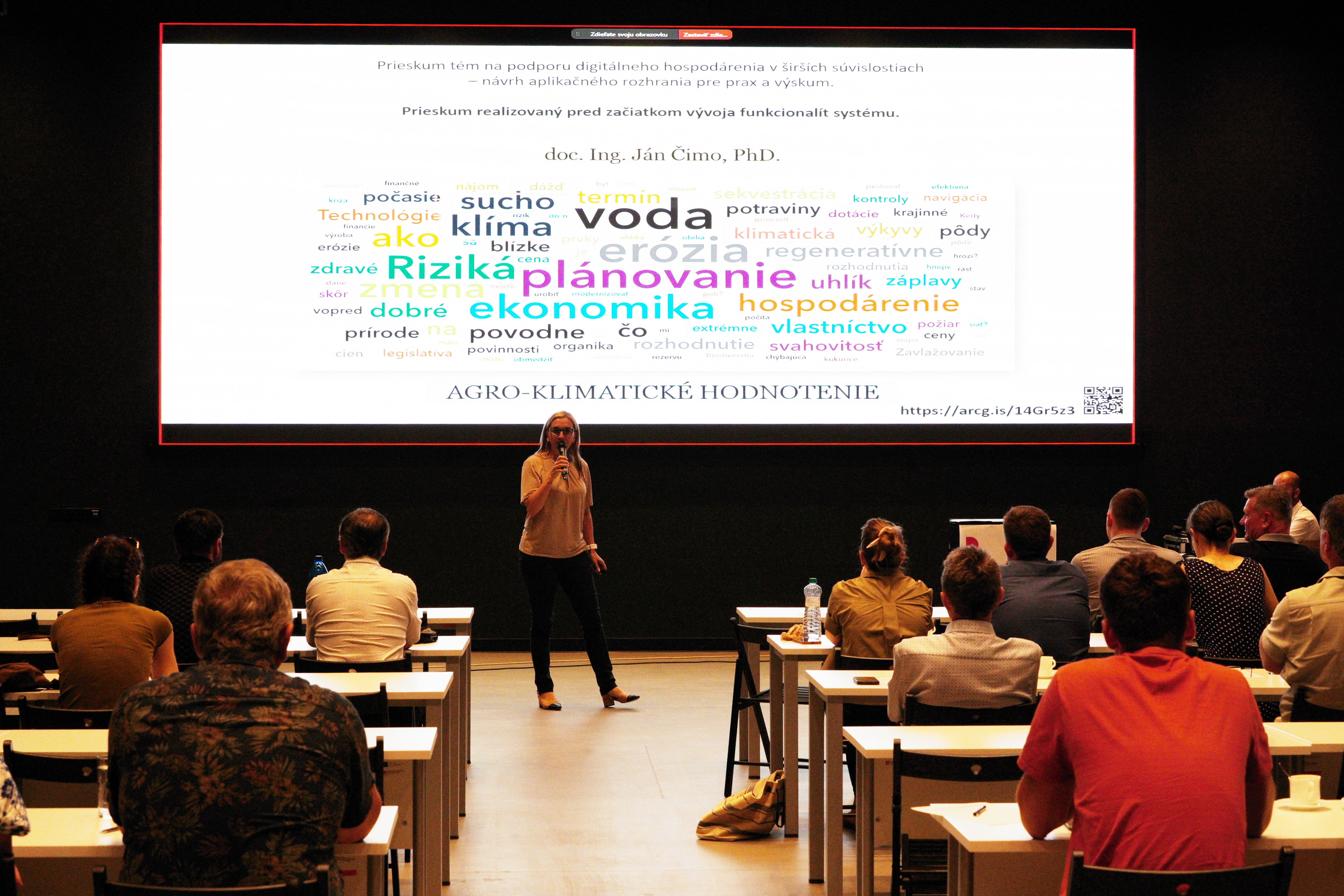
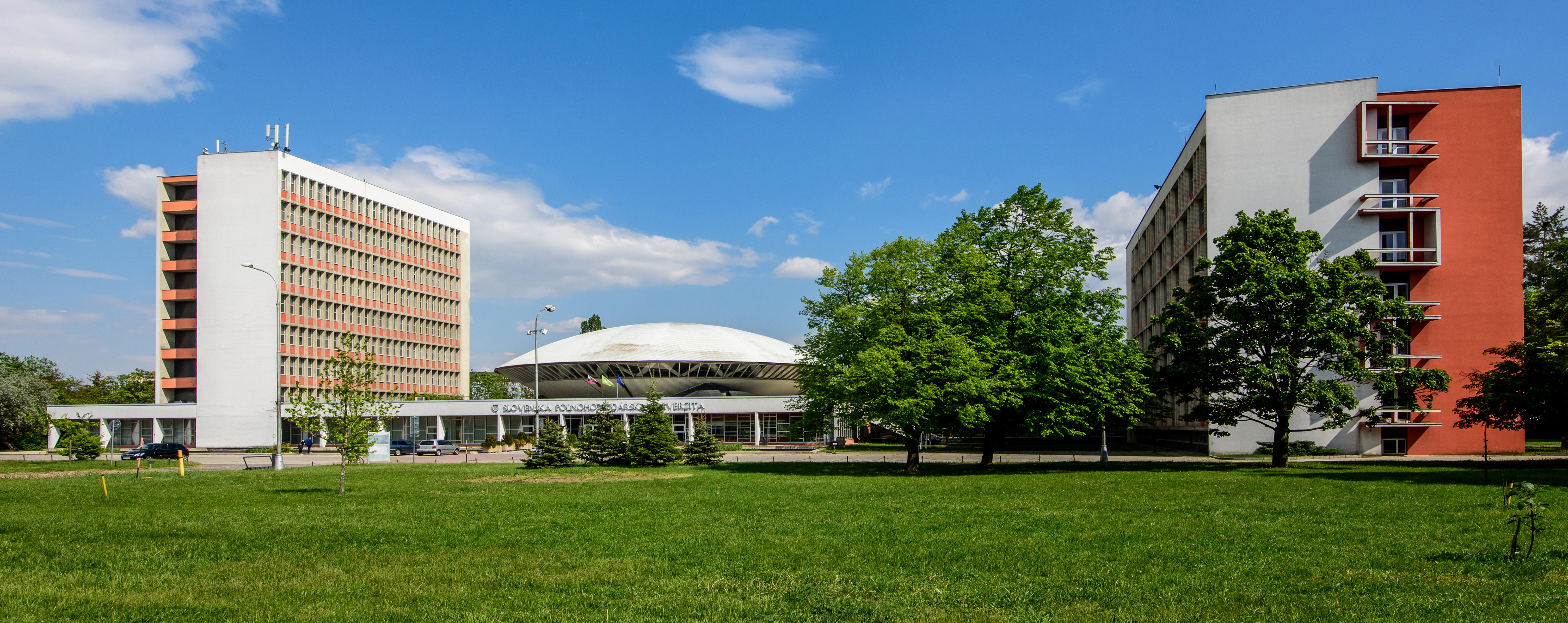
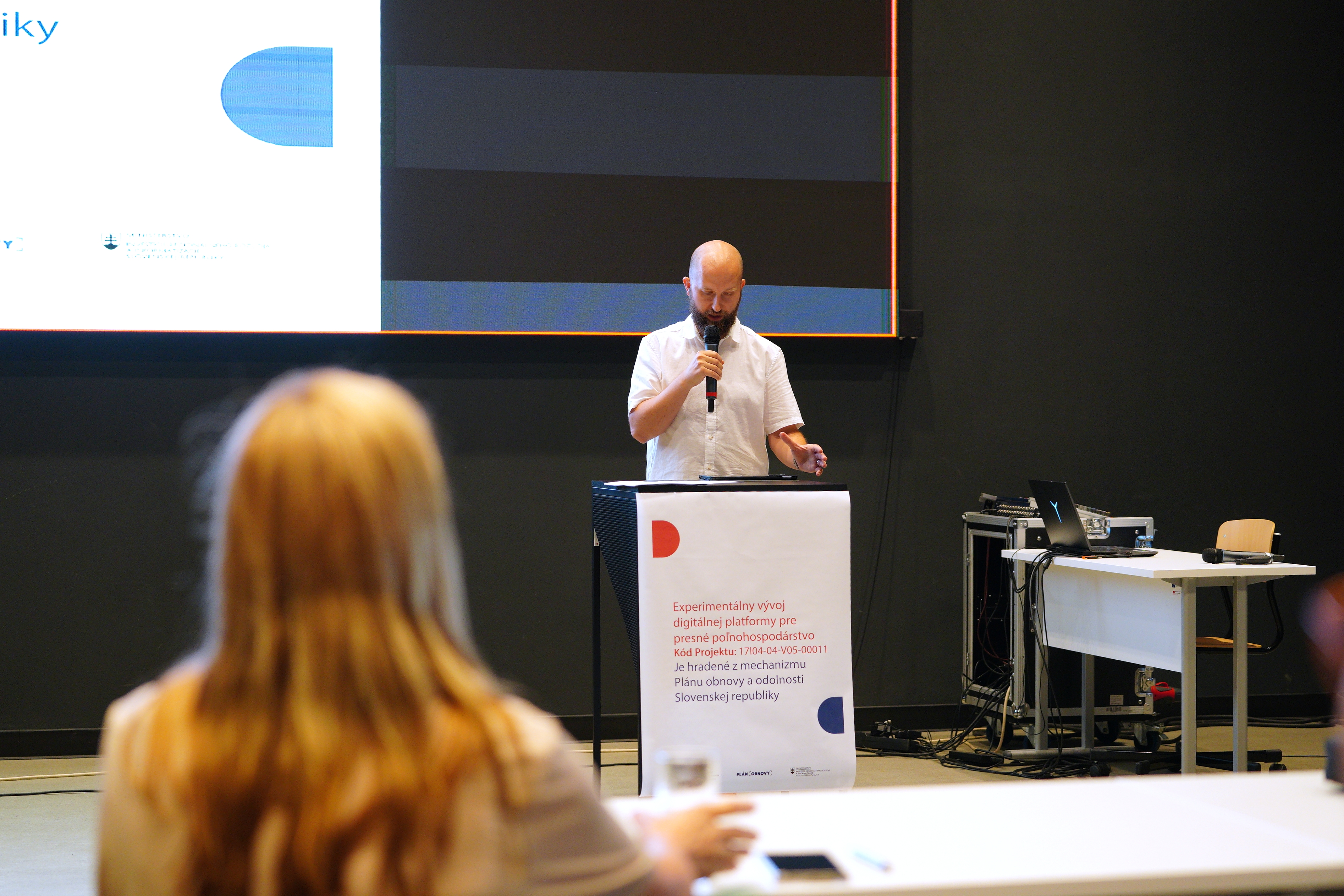
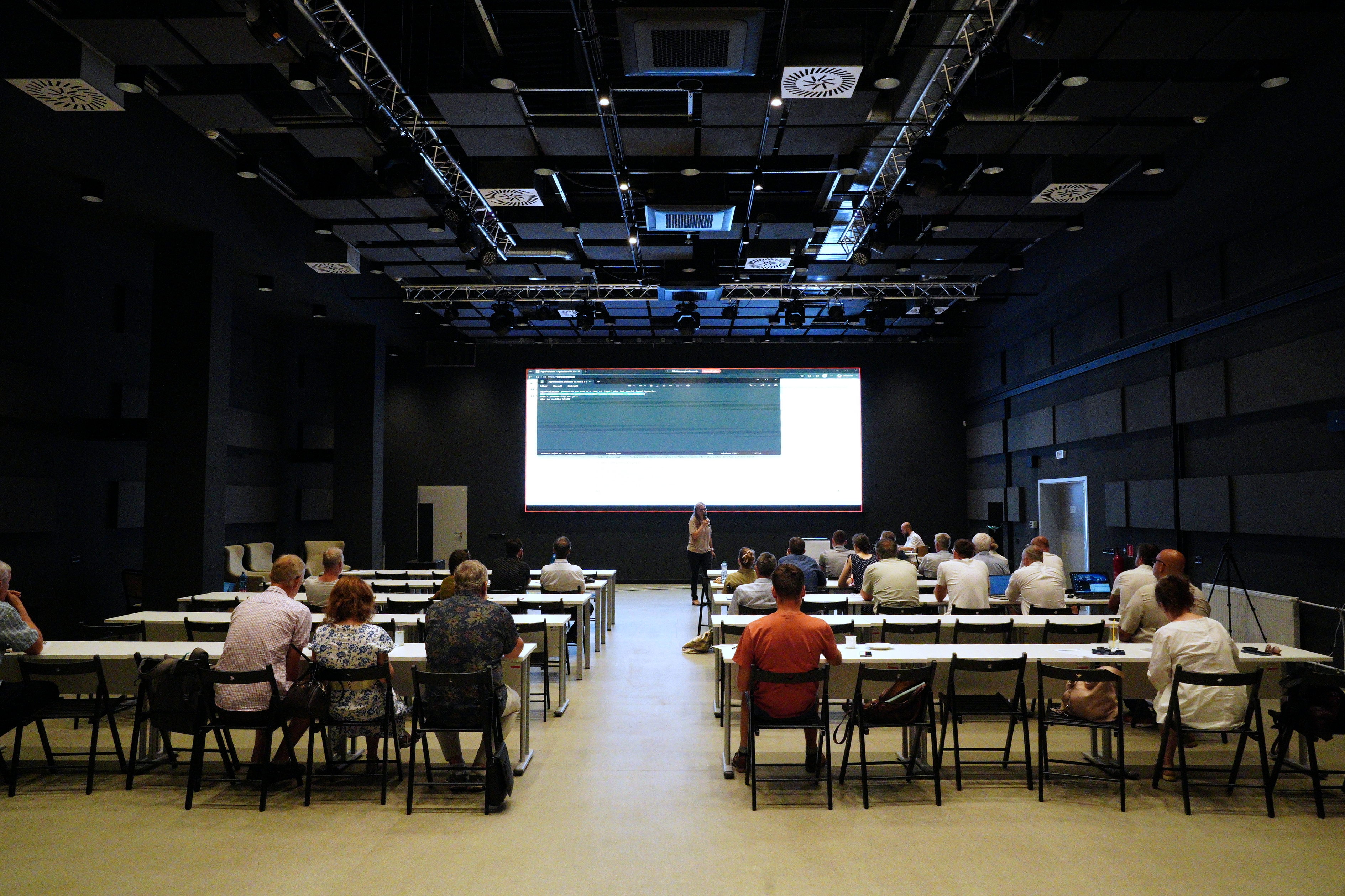
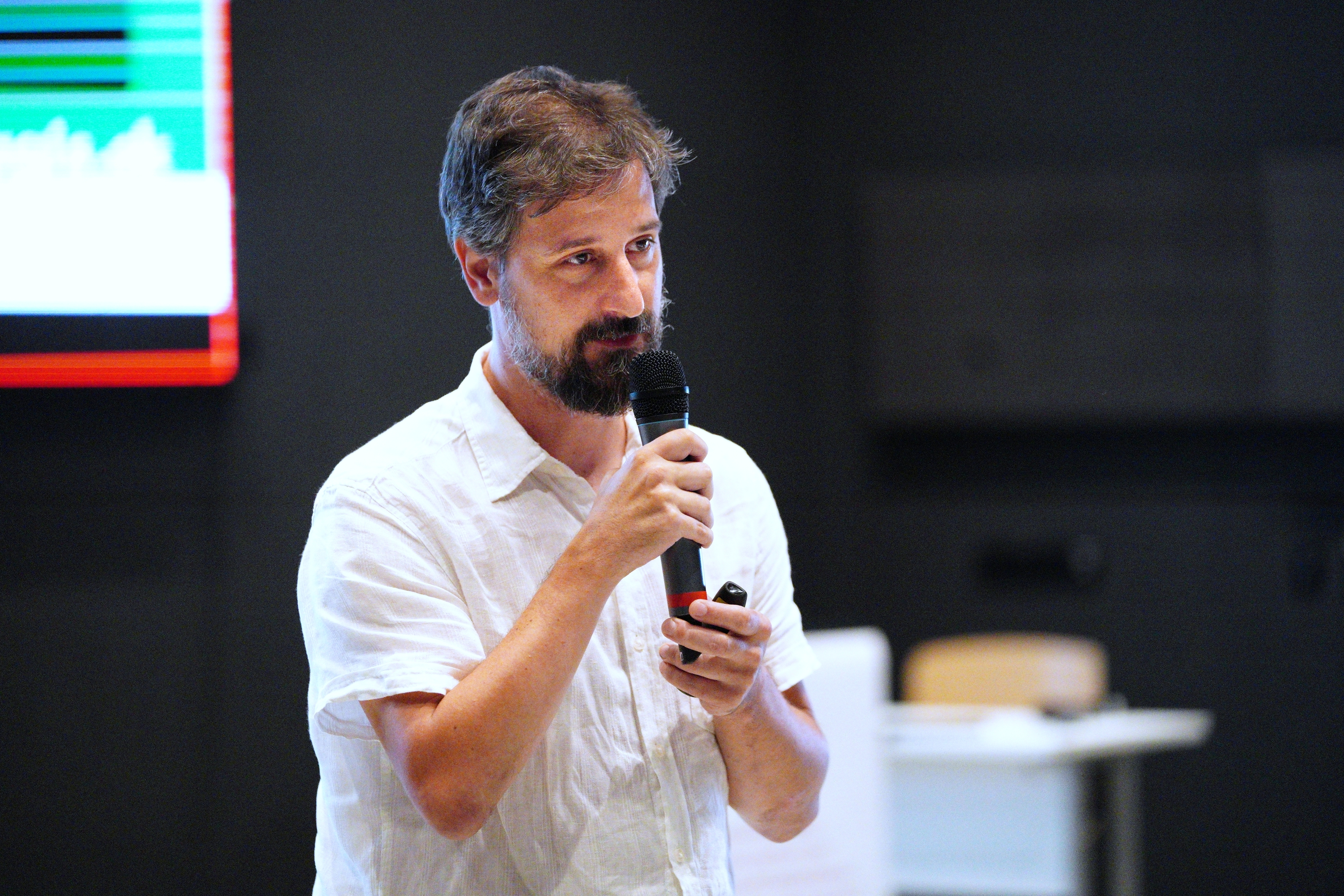
The Slovak University of Agriculture in Nitra (SUA) presented a new digital advisory platform for precision agriculture, Agro Asistent, on 29 June at the Creative Centre. The platform is available at https://agroasistent.sk.
Agro Asistent is being developed within the innovative project Experimental Development of a Digital Platform for Precision Agriculture (DigiPpPP).
The platform will provide farmers with a new form of decision-making support directly linked to specific locations and agricultural parcels. After selecting a parcel anywhere in Slovakia, users will be able to monitor its evaluation over time, learn about the methodologies and principles behind the assessment, receive management recommendations, and better understand agronomic factors related to a particular location.
The aim of this digital agronomic advisor is to make professional information more accessible to students, agricultural specialists, designers, and farmers, while supporting decision-making based on reliable data and expert recommendations.
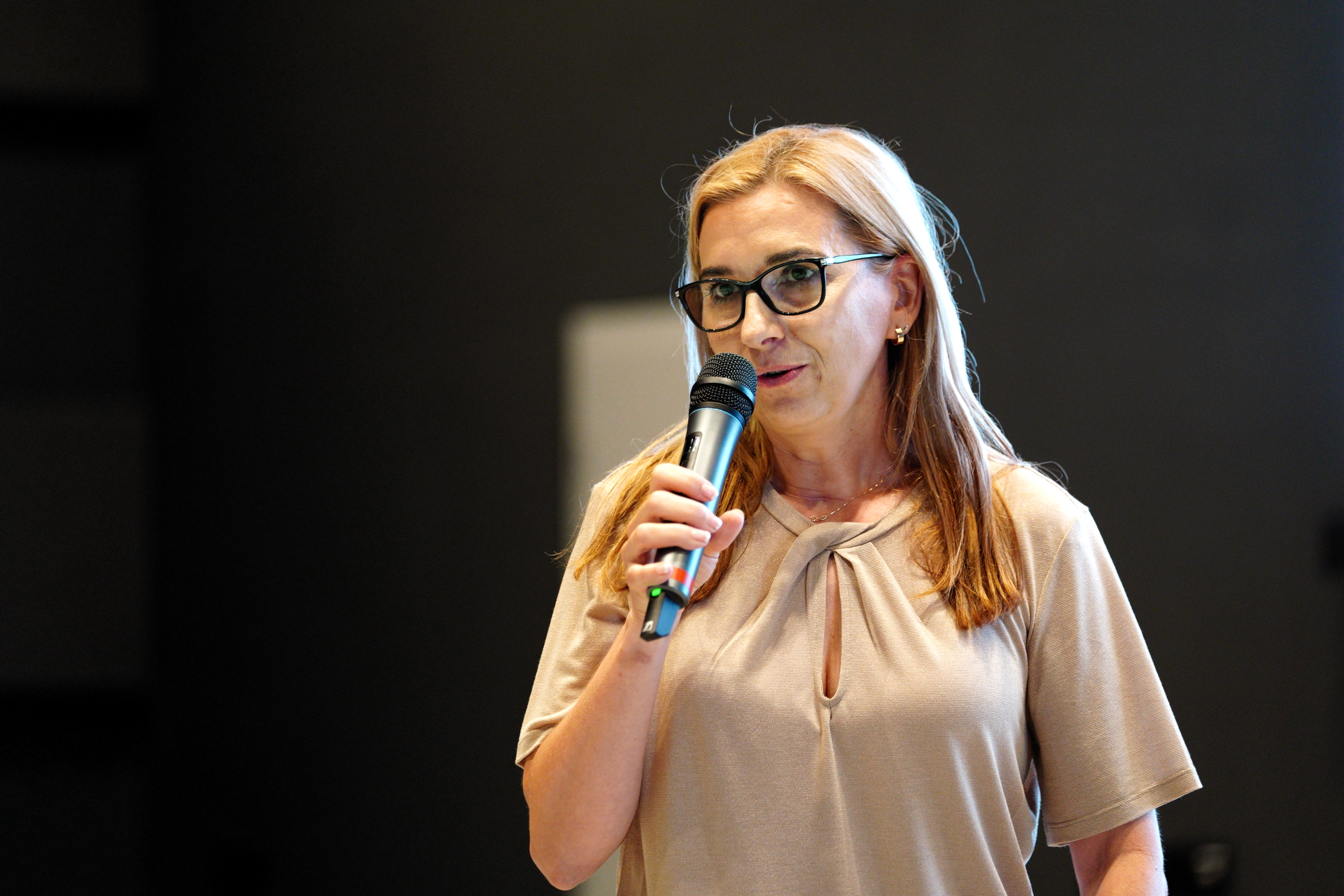
“Developing digital tools that support decision-making in agriculture, such as Agro Asistent, which is being developed and tested at our university, is of great importance. The use of modern IoT technologies and artificial intelligence enables the agricultural sector to manage resources more efficiently, optimise inputs, and collect accurate data. At the same time, these technologies make our study programmes more attractive for future professionals,” said SUA Rector Associate Professor Klaudia Halászová.
She also highlighted the interdisciplinary nature of the project, as the research team consists of 33 experts from different faculties and scientific fields across the university.
The advisory platform focuses on five key areas: agro-climatic assessment, environmental risks, farm management, agricultural economics, and carbon sequestration. Its content covers topics such as soil protection, water management, monitoring of water erosion, landscape features, weather and climate change, natural risks, farming practices, agricultural economics, food production, subsidy opportunities, important deadlines, and other issues relevant to agricultural practice.
The platform aims to inform and educate farmers so that they can make qualified decisions and implement sustainable, nature-friendly farming practices.
“Our goal is to relieve users from time-consuming searches for information and provide them with a specialised platform focused exclusively on agricultural topics. Agro Asistent combines data from various publicly available and original sources into a single system and presents them in a spatial context – from the regional level to individual agricultural parcels,” said Professor Zlatica Muchová, the project coordinator.
Farmers today face a wide range of environmental and market-related risks. Agro Asistent will therefore provide them with valuable information to support managerial decision-making. The platform enables the analysis of individual parcels in relation to climate change, precipitation trends, farming technologies, crop yields, erosion risks, and other relevant factors.
By combining spatial data, economic analyses, statistical information, and expert recommendations, the platform will help users better assess risks when planning crop rotations, fertilisation, plant protection measures, and other agricultural activities. It will also support farmers in meeting the requirements of subsidy schemes and navigating the conditions of agricultural support provided by the Agricultural Paying Agency.
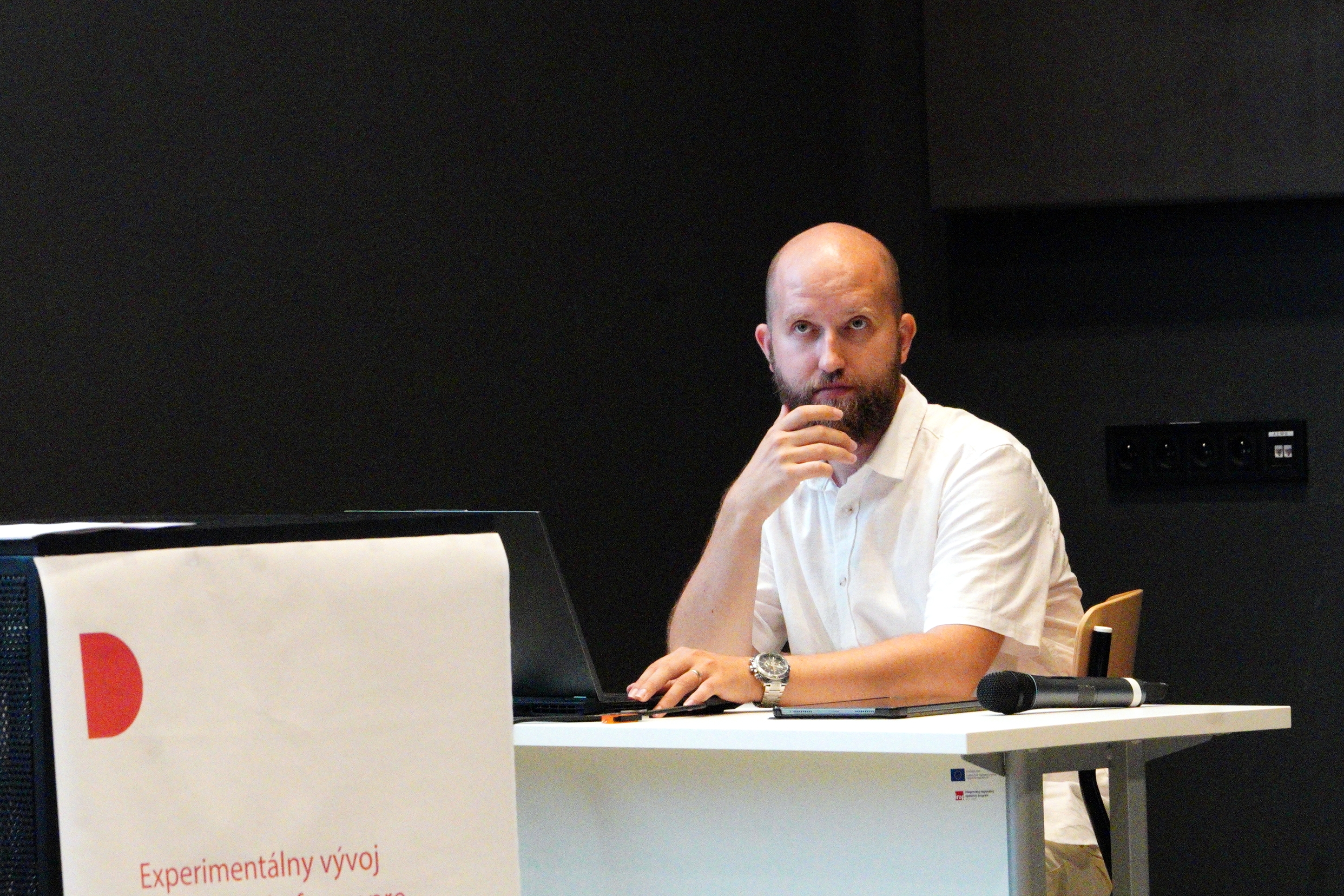
During the presentation, the creators of Agro Asistent emphasised the importance of close cooperation with agricultural practice. Farmers will be involved in the further development of the system, and their experience, suggestions, and feedback will contribute to the gradual improvement and refinement of recommendations.
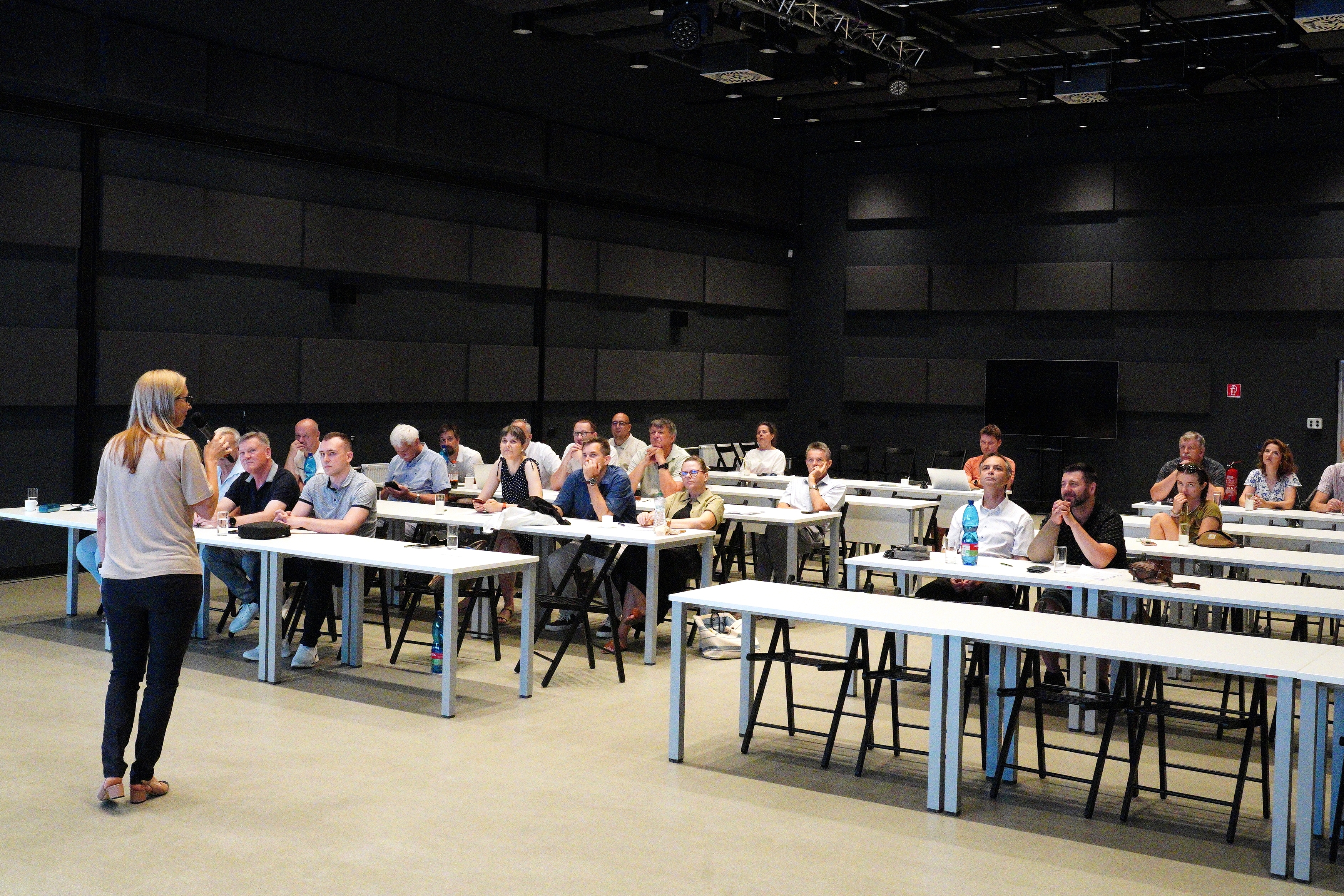
The presentation introduced the basic principles of the system, as well as the possibilities of using spatial data, expert methodologies, and artificial intelligence in generating recommendations for agricultural decision-making.
The platform will also have an important role in education. It will provide students with professional resources, spatial data, and analytical tools that can be used in seminar and final theses, as well as in practical assignments focused on agriculture and landscape management.
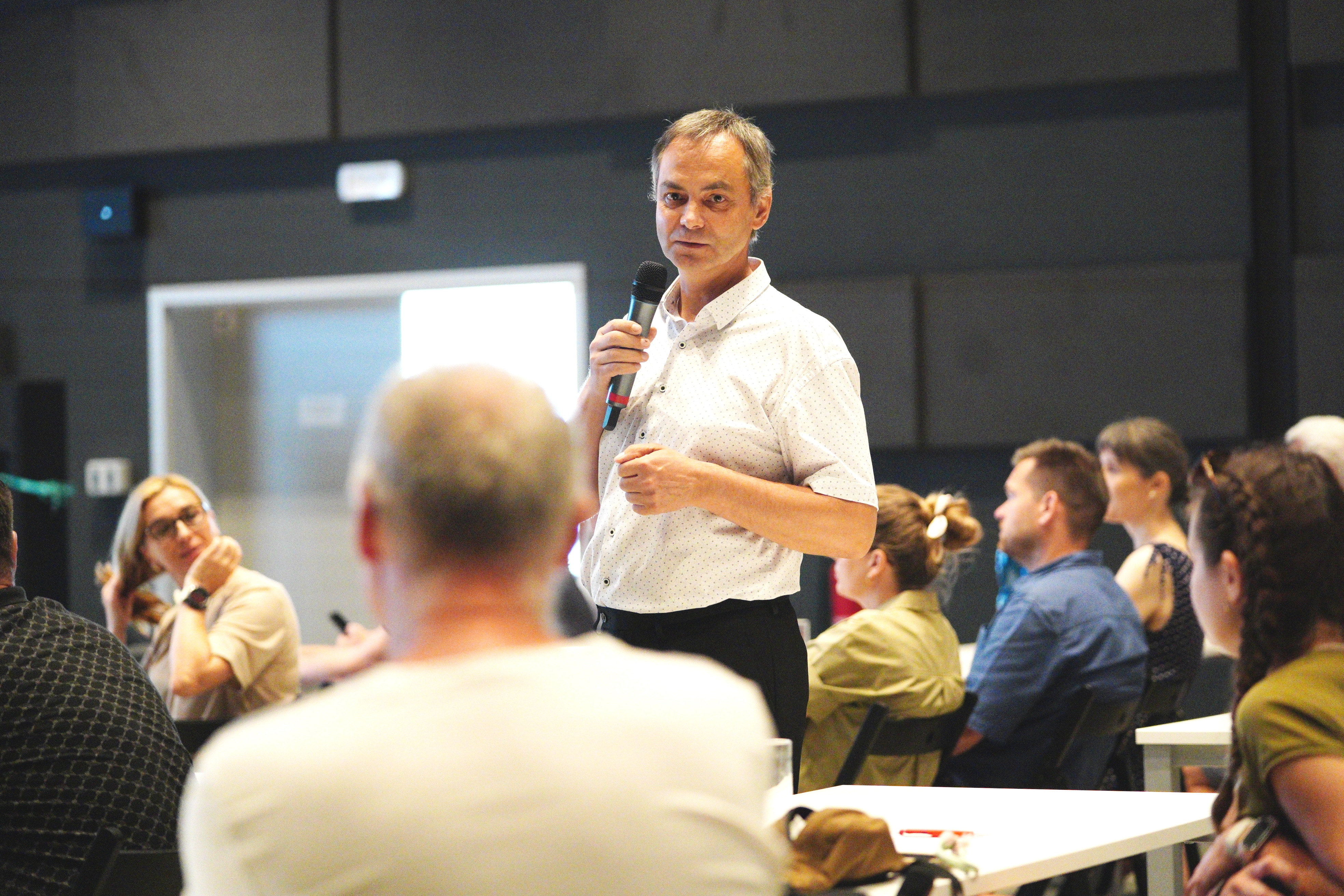
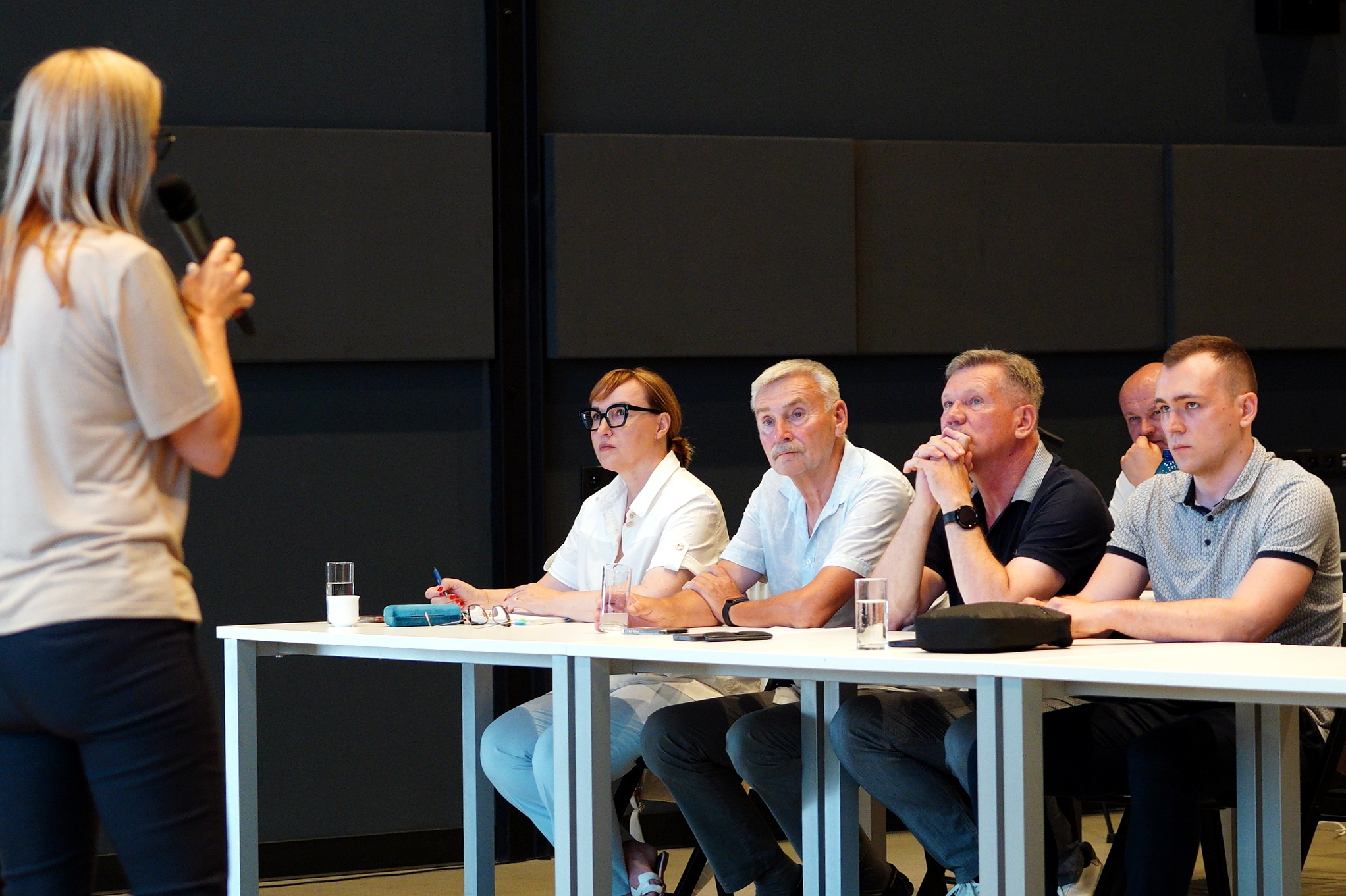
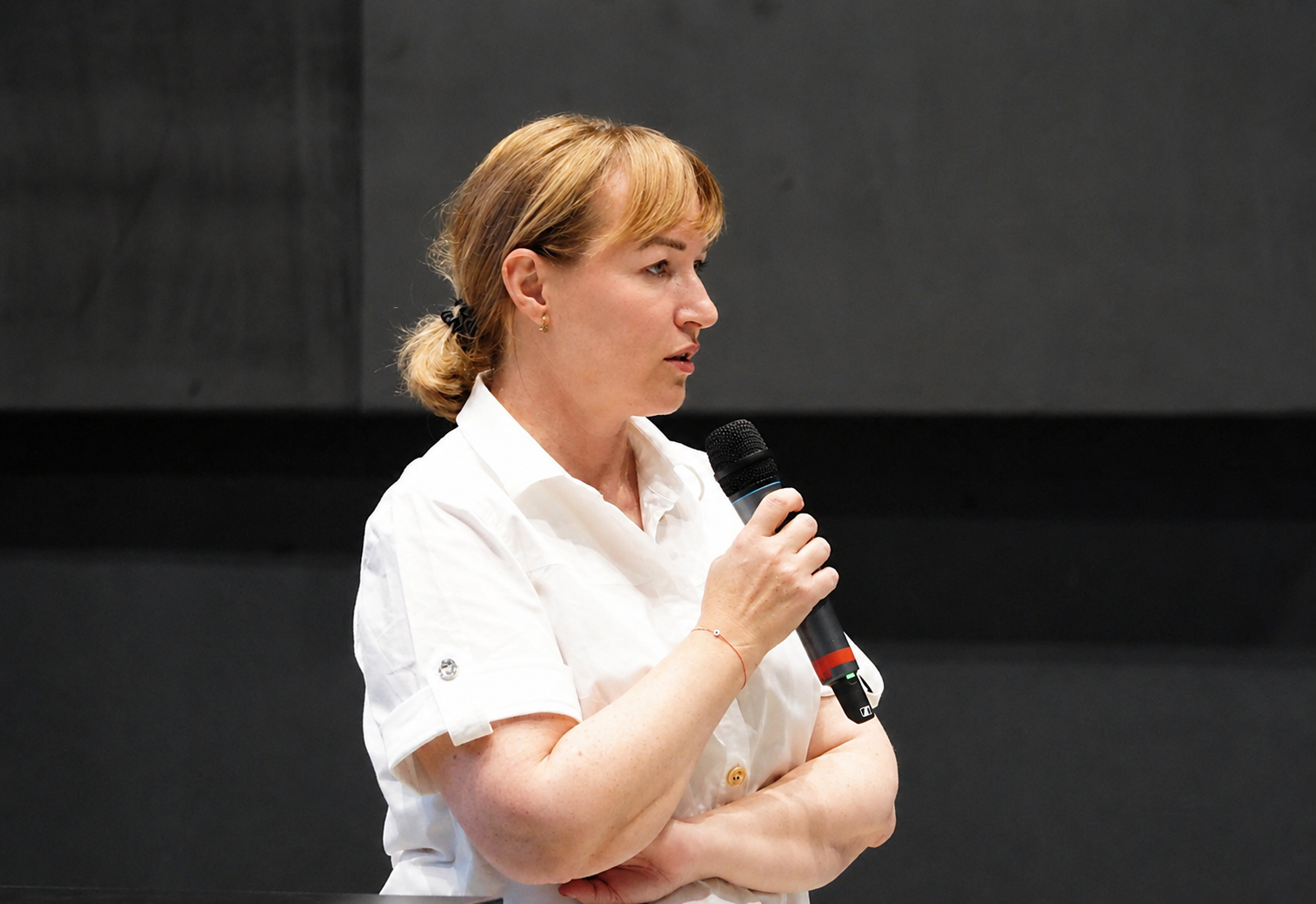
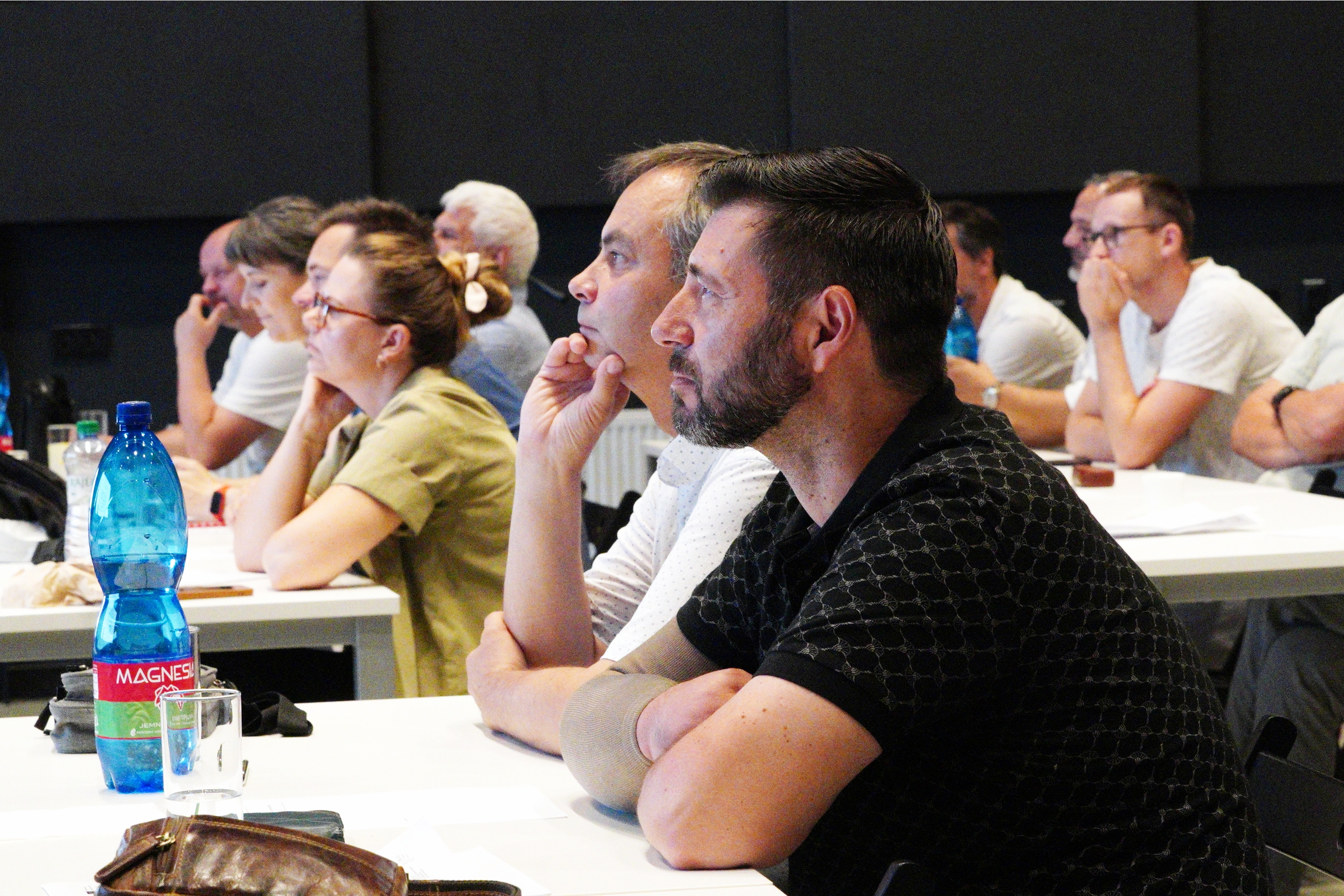
An important part of the meeting was the collection of initial feedback on the proposed system. The discussion brought valuable suggestions concerning user-friendliness and the clarity of outputs. This feedback will serve as an important contribution to the next stages of Agro Asistent’s development.

.JPG)



.JPG)